Microplastics in water: new study reveals hidden chemical threat
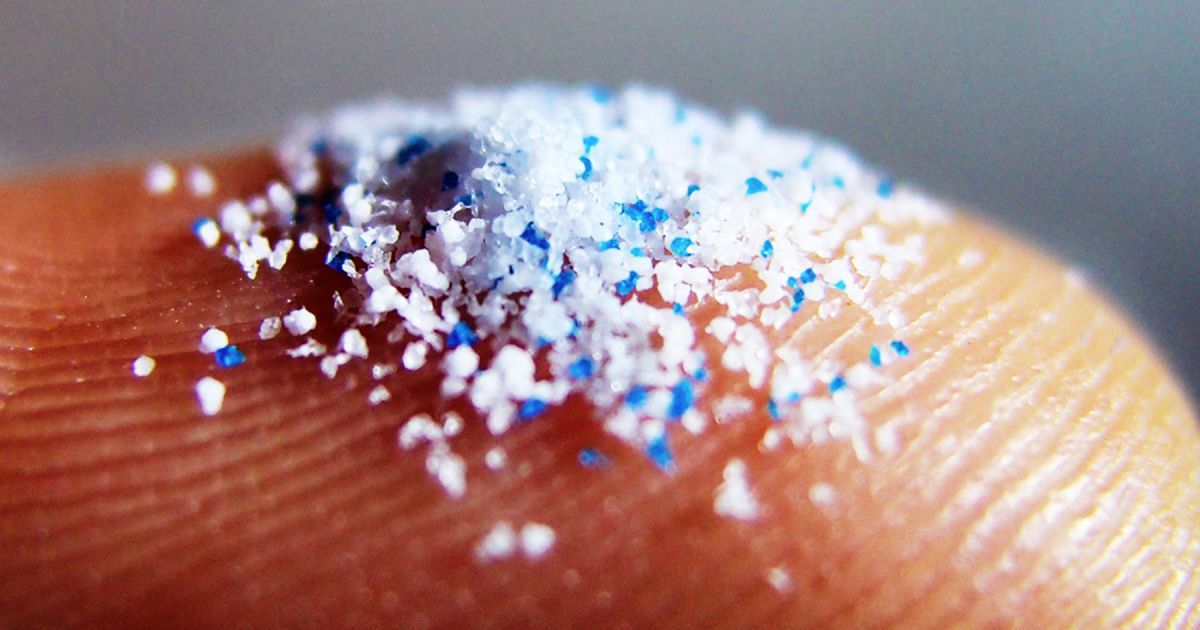
Scientists have discovered that microplastics in water do more than just pollute the environment; they trigger dangerous chemical reactions that can damage cells.
 🩺Health
Photo: TSN
Key points
- Microplastics generate reactive oxygen species in water
- Polyethylene and polypropylene were found to be the most active
- Heating plastic at home increases the release of microparticles
- The chemical activity of plastic can damage cellular structures
The dangerous activity of plastic
An international team of researchers from Columbia and the University of California has determined that microplastics in water act not as passive pollutants, but as active chemical agents. By interacting with water, the surface of plastic particles generates reactive oxygen species, such as hydroxyl radicals, which can damage proteins and DNA.
The study covered six common types of plastic, including polyethylene, polypropylene, and PET. Polyethylene and polypropylene showed the highest activity because their surfaces repel water more effectively, creating conditions for electron transfer. As plastic particles become smaller, their surface area increases, which intensifies these dangerous chemical processes.
Impact on the body and household risks
Laboratory tests on mouse red blood cells confirmed that contact with microplastics can lead to cell deformation and destruction. Scientists emphasize that the sources of these particles are not only waste but also everyday processes: washing synthetic clothing, heating plastic containers in microwaves, and storing water under direct sunlight.
Source TSN — tsn.ua/zdorovya/mikroplastyk-vyiavyvsia-nebezpechnishym-niz-vvazaly-shc… ↗
Read next
 🎭Culture & Sport
AC Milan secures dominant victory over Frosinone in Serie A
AC Milan defeated Frosinone 5-1 at San Siro, moving up to fourth place in the Serie A standings.
 🎭Culture & Sport
AI-generated music sparks heated debate on Ukrainian talent show
A contestant's performance of an AI-created song on 'Holos Krainy-14' triggered a sharp disagreement among the show's celebrity coaches.
 🏙️City
Energy restrictions in Ukraine: what Bolhrad residents should expect from new blackout schedules
Updated hourly blackout schedules are being introduced across Ukraine due to the aftermath of attacks on the energy grid. The restrictions will affect both industry and h…
 💡Tech
Germany tests Ukrainian battlefield management system Delta
The German Armed Forces have begun testing the Ukrainian Delta system for potential integration into their military infrastructure.
 👥Society
AfD Co-leader outlines plans for mass return of foreigners from Germany
The leader of the German far-right party Tino Chrupalla has proposed the deportation of millions of foreigners, including Ukrainians, should conditions in their home coun…
 🎭Culture & Sport
Voice of Ukraine contestant Dmytro Kim moved coaches with his family story
A 25-year-old programmer from Dnipro, Dmytro Kim, joined MONATIK's team on 'The Voice of Ukraine-14', impressing the coaches with both his vocals and his dedication to hi…