Crimean Bridge Restoration Could Take Years: Expert Estimates and Regional Logistics Impact
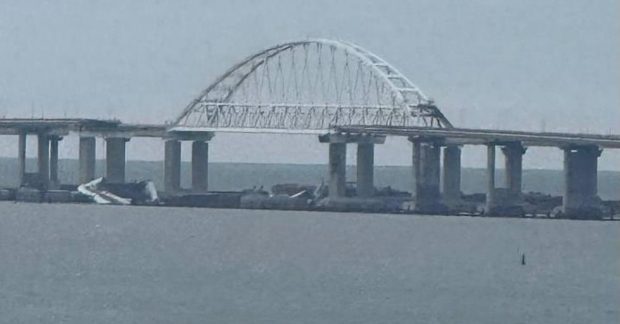
The collapse of the 230-meter steel arch presents a unique engineering challenge that may require years to resolve, significantly impacting regional transport routes.
 🚌Transport
Photo: UNIAN
Key points
- Restoration is estimated to take at least two years due to the unique nature of the destroyed arch.
- The Kerch-Yenikale Canal is currently obstructed, preventing large-scale shipping between the seas.
- The operation utilized a custom drone-relay communication network independent of satellite systems.
The recent damage to the Crimean Bridge is far more extensive than previous incidents. According to engineering experts cited by The New York Times, restoring the link could take several years. The primary issue lies in the destruction of the 230-meter steel arch, the most complex component of the entire structure.
Technical Challenges and Timelines
Andreas Kappos, a professor of engineering, suggests that restoring vehicle traffic could take approximately two years, provided there are no further strikes and the supports remain intact. During peacetime, the original fabrication and installation of this arch took about two years, involving specialized work in Voronezh and months of assembly on the coast.
Consulting engineer Donald Dusenberry emphasizes that even clearing the debris will be a monumental task. The damaged arch is a unique structural element that cannot be replaced with standard sections. Furthermore, the collapsed metal structures have blocked the Kerch-Yenikale Canal, the only deep-water passage for large vessels between the Black Sea and the Sea of Azov.
Logistical Consequences
Despite the bridge's $4 billion cost and symbolic importance, it remains a vital link for civilian transport. Alternative land routes through occupied territories are currently more vulnerable due to their proximity to the front lines. Russia has reportedly deployed tugboats and auxiliary vessels to the strait to begin emergency recovery operations.
A notable aspect of the operation was Ukraine's use of a proprietary communication system based on a network of relay drones, or 'flying modems.' This allowed for long-range control of assets without relying on external satellite networks like Starlink, marking a shift in the technological landscape of the conflict.
Source UNIAN — unian.ua/war/shchob-vidnoviti-kerchenskiy-mist-rosiji-potribno-shch… ↗
Read next
 🎭Culture & Sport
German Blogger Amazed by IT-Themed Supermarket in Lviv
German-speaking TikTok blogger Ukrainiko shared his impressions of a uniquely designed supermarket in Lviv inspired by computer technology.
 🎓Education
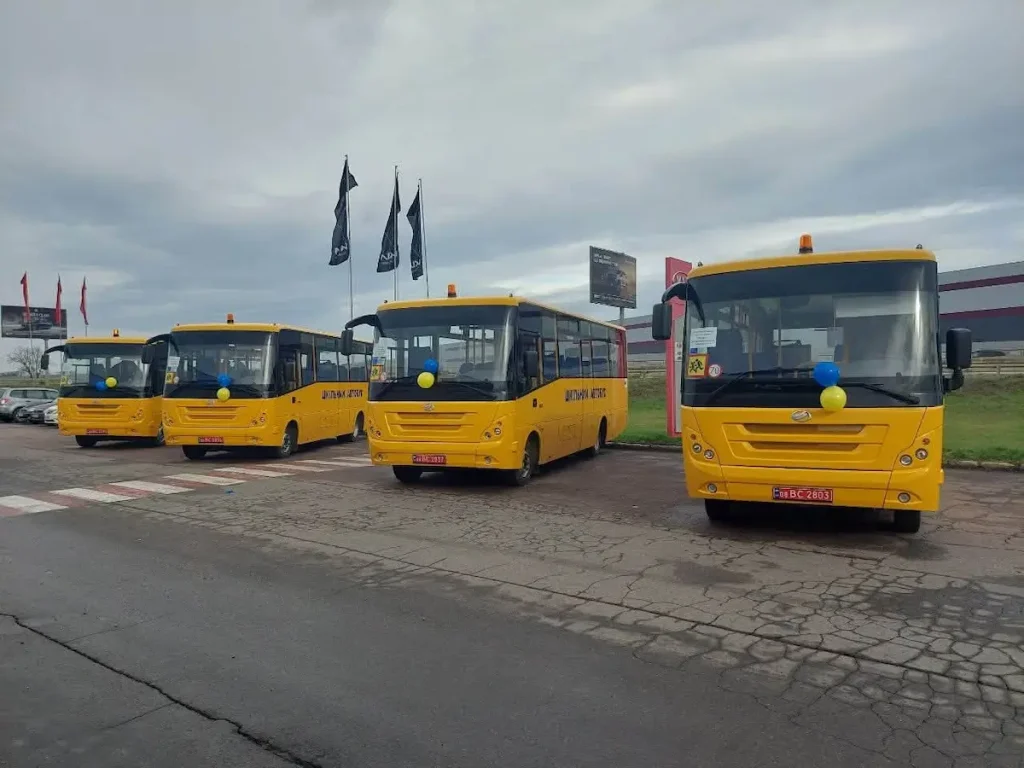
Odesa region receives another batch of school buses under international support
Educational institutions in three communities of Odesa region have updated their fleets with new school buses. Over the course of the year, the region has received a tota…
 👥Society
Slovak Minister Makes Controversial Claims Regarding 1968 Events in Czechoslovakia
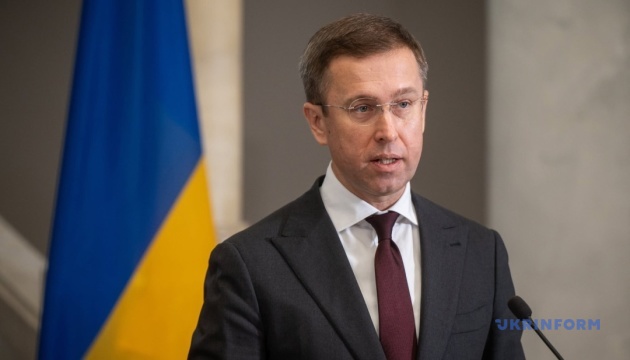
Slovakia's Foreign Minister Juraj Blanár claimed that Ukrainians were allegedly behind the 1968 invasion of Czechoslovakia, sparking public backlash.
 👥Society
Government Announces Digital Platform for Reporting Utility Disruptions and Involving Military in Repairs
The Prime Minister announced a new emergency monitoring system for critical infrastructure and plans to deploy military specialists for restoration works.
 🛡️Security
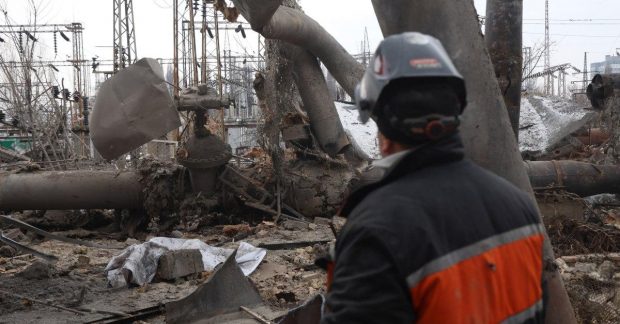
Military specialists could be engaged in repairing damaged energy facilities
The government is considering deploying military engineers and electricians to accelerate the restoration of critical infrastructure.
 🇺🇦Ukraine
British Conservatives and Reform UK distance themselves from Trump over Putin post
Key British political forces have reacted critically to Donald Trump's social media post featuring a photo with Vladimir Putin.